Gozo, a Hidden Gem in the Mediterranean
A small island with a big soul - rich history, dramatic coastlines, and a slower rhythm of life.A Joyful Island with Ancient Roots
Gozo, meaning “joy” in Castilian, has carried many names through its long history - each reflecting the charm and character of this small island.
The Aragonese named it Gozo in 1282, while its Latin motto “Fertilis ab undis caput effero” - “a fruitful land rising from the sea” - perfectly captures its fertile landscapes and proud silhouette.
The Phoenicians, around 700 BC, called it Gaulos, possibly in reference to its rounded shape when seen from the sea - a name the Romans kept when they took over in 218 AD. Later, the Arabs left their mark with the name that still lives in the Maltese language: Għawdex (pronounced “Aw-desh”).
Today, Gozo is the second-largest island in the Maltese archipelago, alongside Comino and mainland Malta - a quieter, more rural retreat surrounded by the Mediterranean.
A Dramatic Island Shaped by the Sea
Millions of years ago, the Maltese Islands were the elevated regions of a landmass extending southwards from nearby Sicily. As sea levels rose during the interglacial periods, only the highest parts remained above water - forming today's islands in the heart of the Mediterranean.
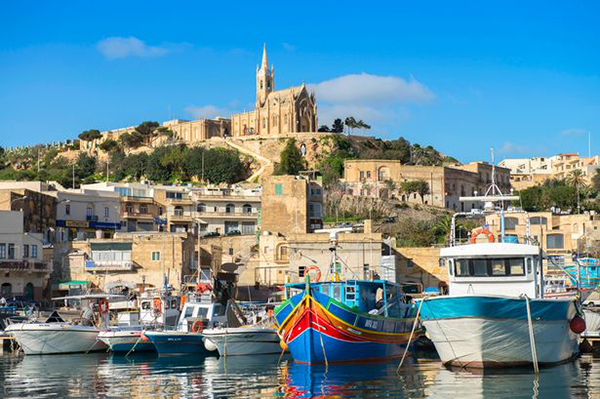
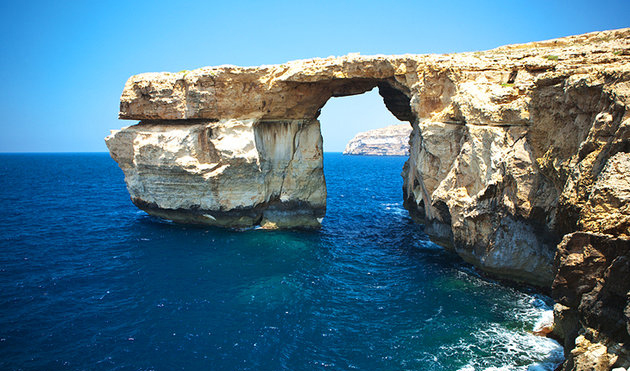
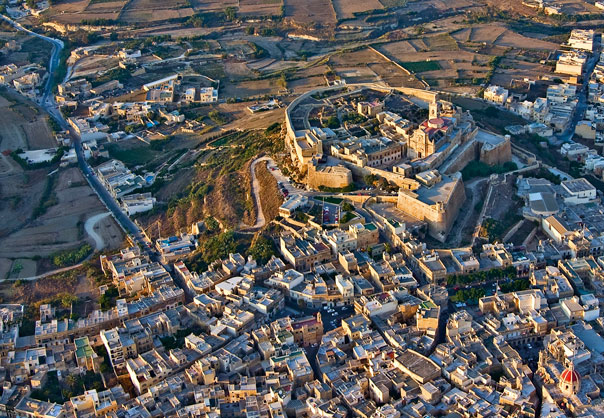
Roughly circular and measuring about 14 km by 7 km, Gozo is a hilly island with a rugged coastline. The south-west to north-west coasts are entirely surrounded by cliffs, while the interior is shaped by rounded, flat-topped hills - the result of harder rock resting on softer layers below.
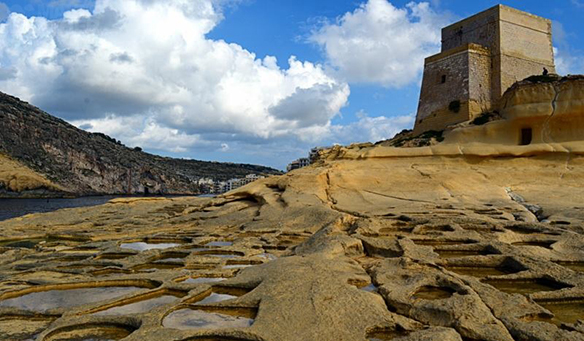
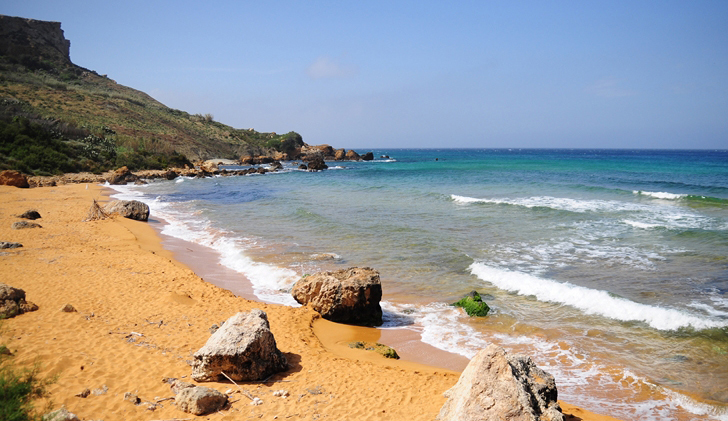
The highest point, Ta' Dbieġi hill, rises 190 metres above sea level near the village of San Lawrenz. On the southern side facing Malta, the land is lower but rises again near the coast to form the impressive Ta' Ċenċ cliffs, jutting into the sea like a natural bastion. Narrow valleys such as Marsalforn, Xlendi and Ramla l-Ħamra cut through the plateau towards the shoreline.
Villages, History & Everyday Life
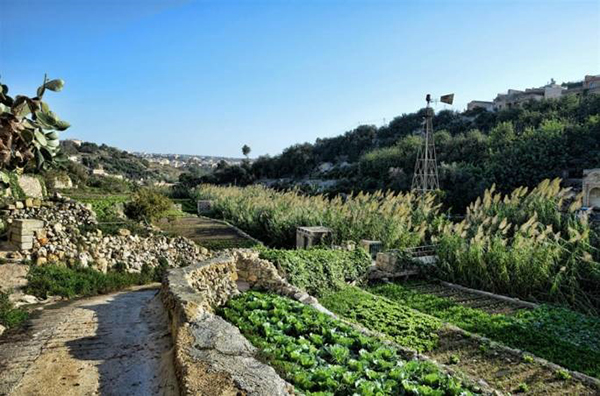
Gozo has embraced an eco-island vision, with initiatives focused on rainwater harvesting, cleaner energy, and preservation of its natural and rural character. These efforts improve the quality of life for residents and make the island even more attractive to visitors seeking authenticity and calm.
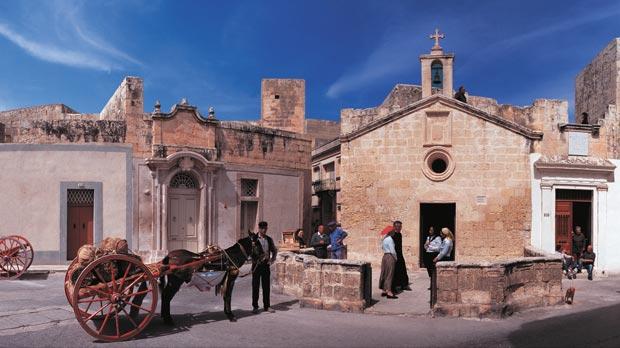
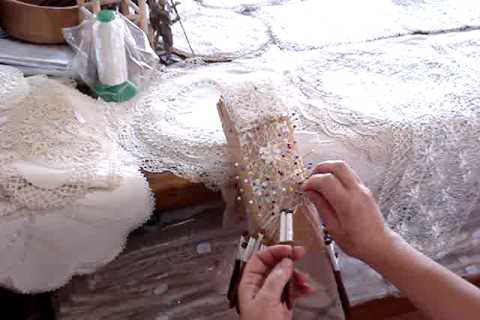
Visitors often encounter farmers working their land, or local artisans running small, family-owned shops in village streets and squares. Life on Gozo is tranquil and soft-paced, except in the capital Victoria, where a lively town centre offers all the amenities of modern life.
Despite its “double insularity” - an island off an island-state - Gozo is well-connected, not least digitally, with excellent internet access across the island.
A Paradise for Divers
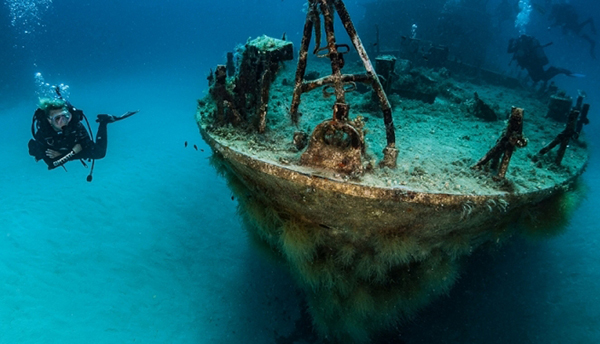
Gozo is renowned worldwide for its diving. Natural underwater arches, caves, and sheer drop-offs give the island a unique appeal for divers of all levels. These natural attractions have been complemented by several scuttled vessels, creating artificial reefs that provide both exciting dive sites and thriving habitats for marine life.
The island also offers solid infrastructure for the diving community, including experienced operators, specialist services and high-quality medical facilities such as decompression chambers. Many divers return year after year for the complete Gozo experience - both above and below the surface.
Culture & Island Identity
Islands are often strong incubators of identity, and Gozo is no exception. The island boasts a rich cultural heritage and a vibrant output of arts and traditions, well beyond what its small population might suggest.
The culture, heritage and identity of Gozo are central to its appeal and are key to sustainable development on the island. Protecting these aspects, while allowing them to flourish, helps attract quality tourism and supports the community's long-term well-being.
Gozo's particular character has always been part of what makes it so attractive to visitors. It shares much with the broader Maltese identity, yet remains distinctly Gozitan in lifestyle and attitude.
Like many places, Gozo is influenced by modern, fast-paced culture - but the eco-Gozo vision aims to preserve the island's authentic village traits and traditions. It supports a way of life that respects the environment, celebrates local culture, and nurtures a strong sense of belonging.
Discover Gozo First-Hand
For a personal perspective on Gozo's charm, history and culture, explore this beautifully written feature.
7 Reasons You'll Fall in Love with Gozo